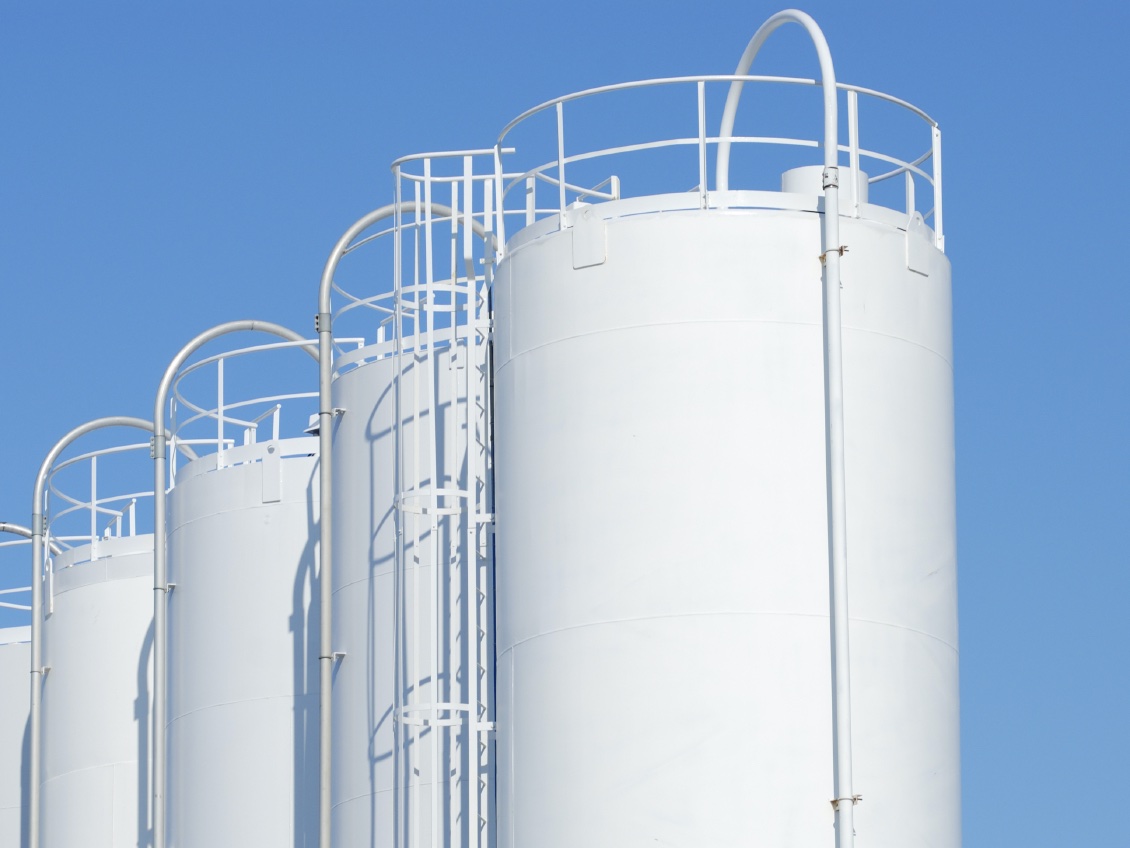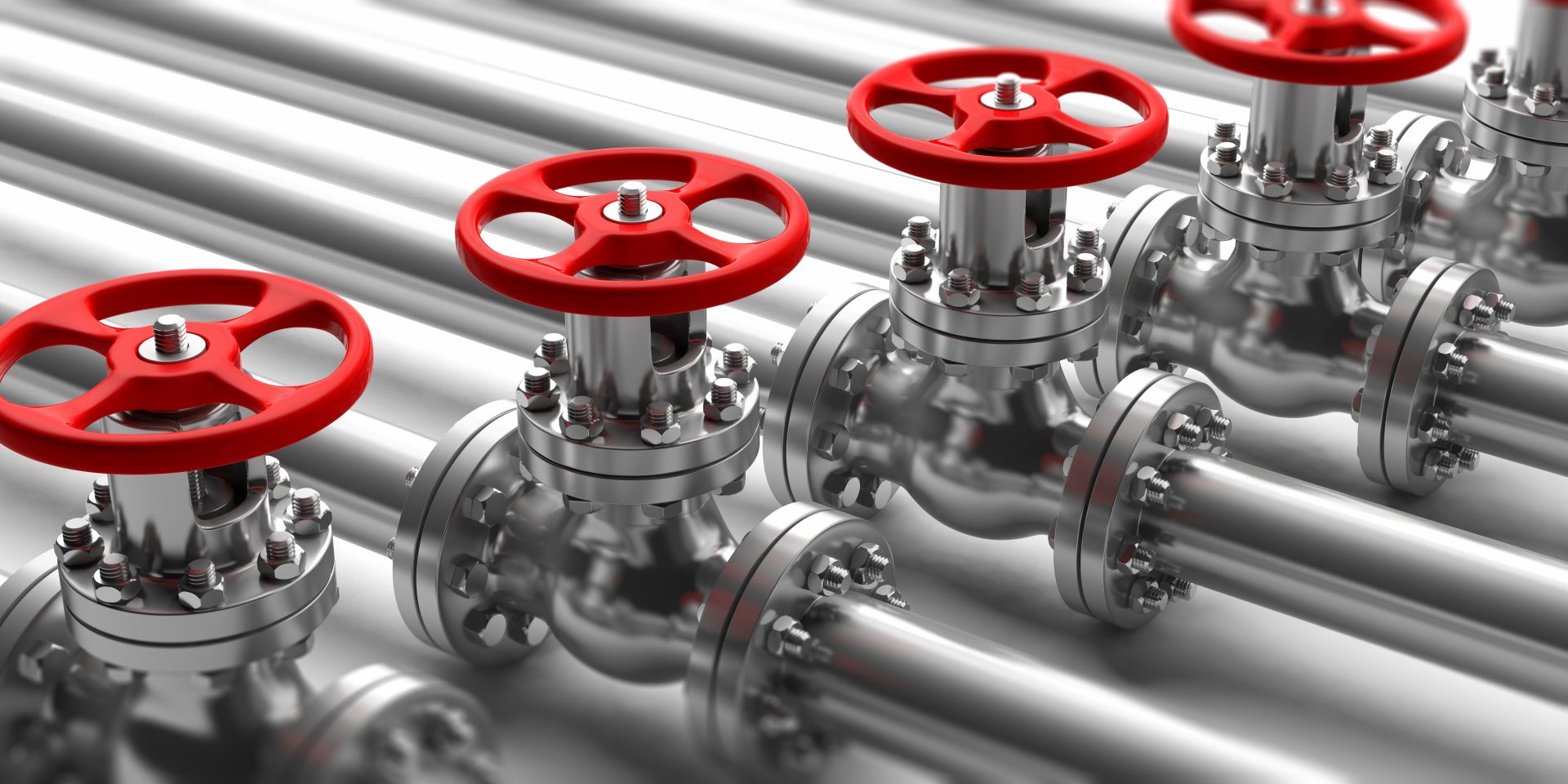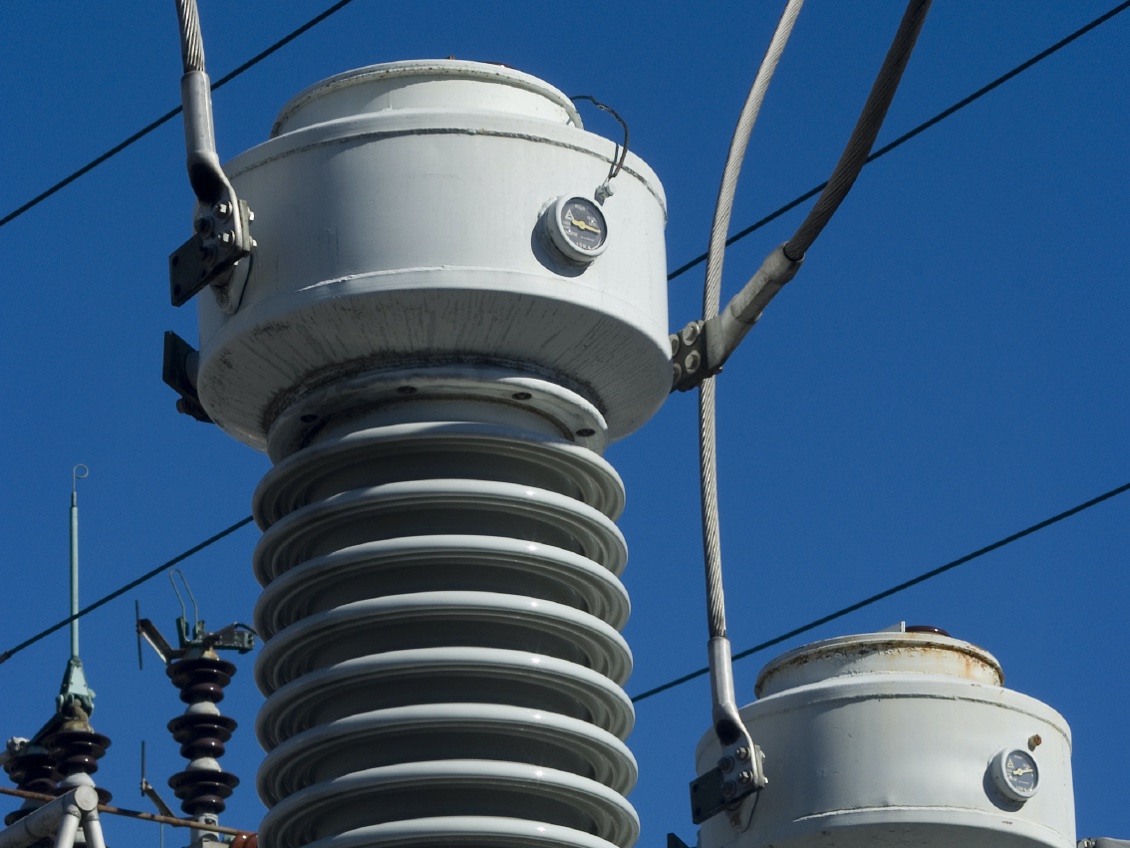
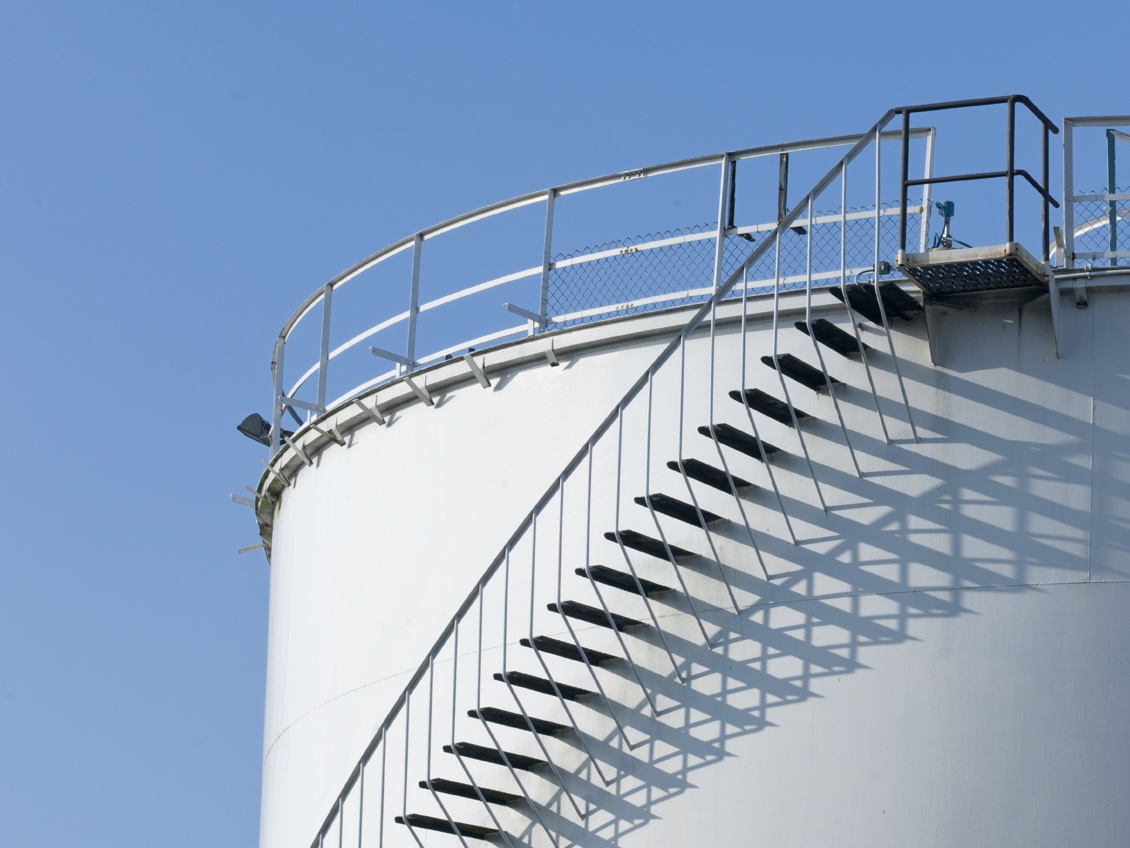
The range of applications for AE is manifold. Nevertheless acceptance of AE as inspection and testing method was driven by integrity inspection of pressure vessels. Application of AE-measurement spread from testing a pressure vessel to corrosion testing of flat bottom storage tanks (above ground storage tanks), leakage testing of pipelines and valves, testing for partial discharge in transformers and nowadays finds its entrance in structural health monitoring of civil engineering structures.
In the field of research and development, acoustic emission measurement methodology has become a constant factor ever since it was first discovered by Dr. Joseph Kaiser.
AE integrity testing recognizes threats from microscopic
damage in a fast and efficient way. Large objects can be
monitored without he need of removing the working medium.
Screening active corrosion in above ground storage tanks
with Acoustic Emission helps operators to schedule tanks
for maintenance.
Leaks in oil- or water pipelines can be detected and located
by use of Acoustic Emission. Access to pipeline is only
necessary at certain points.
Monitoring integrity of insulation of high voltage transformers
helps scheduling maintenance. Early counter actions help
keeping up sustained operation.
Acoustic Emission monitoring is the only cost efficient
method to monitor structures 24 hours a day, 7 days a week.
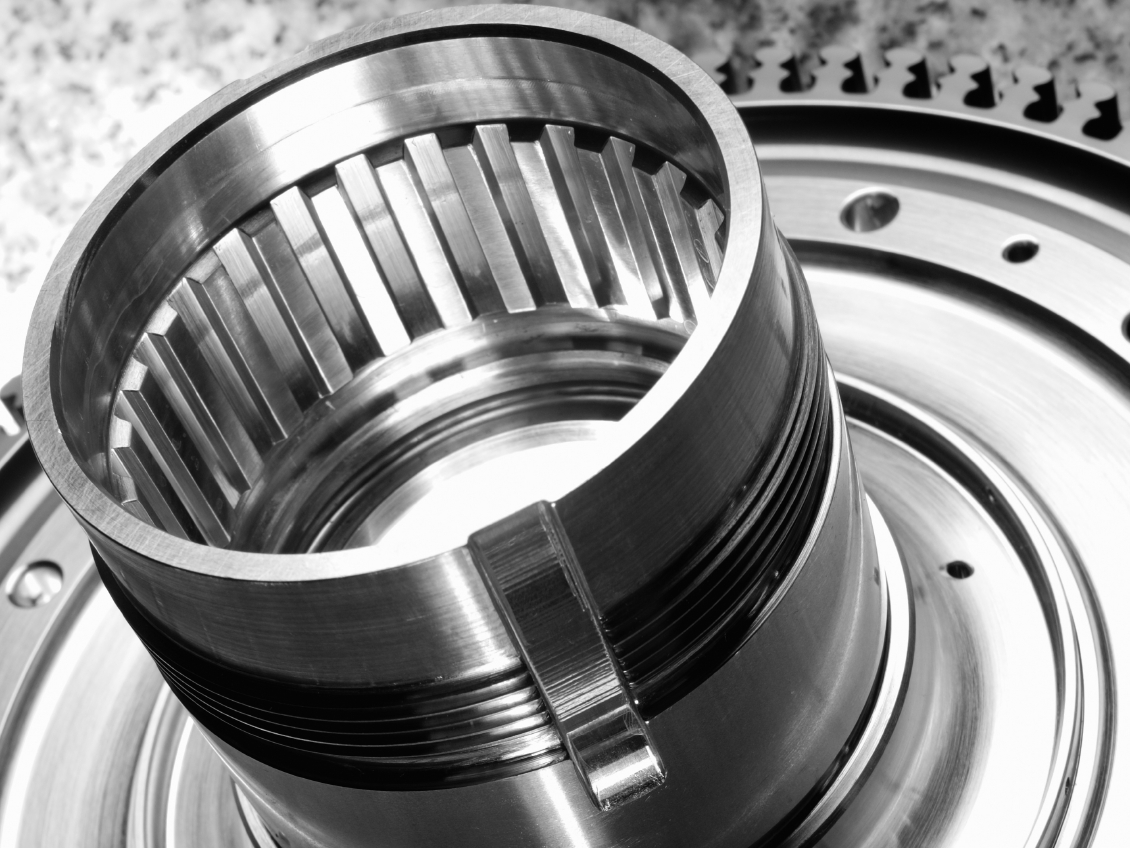
Employing Acoustic Emission lets you unlock the secrets
of material behavior and learn how to design new and
tougher materials.